
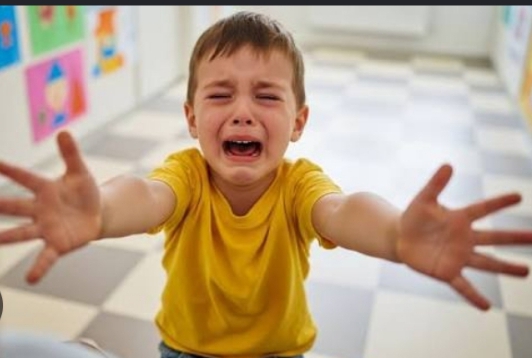
Separation anxiety is a stage of emotional development that happens once babies have formed strong relationship with their primary caregivers.
It starts around eight to nine months and it is at it’s peak around twelve months twenty-four months of age, it may last until the child is three years old.
Object permanence is the concept of babies understanding that things and people exist even when they are out of sight.
Separation anxiety is temporary… it is normal and developmentally appropriate…. It is also a sign of healthy attachment.
Once your baby begins to understand that though they may not see you, you are somewhere, some babies may be highly affected while others are merely concerned. This is the concept of object permanence. Object permanence is the concept of babies understanding that things and people exist even when they are out of sight.
Separation anxiety is temporary, it will pass , it is normal and developmentally appropriate, though overwhelming but can be managed. It is also a sign of healthy attachment.
Signs of separation anxiety in toddlers
- Toddlers experiencing separation anxiety may cry, scream or fuss when they are left with other caregivers.
- They may struggle to fall asleep on their own.
- They may wake up several times at night crying for a parent.
Dealing with separation anxiety
- Do a few practice-short- separations while you work your way up to longer periods of time apart.
- Introduce a new caregiver gradually.
- Leave at the right time; when baby is not tired and sleepy or hungry because these factors make separation anxiety worse.
- Once you leave, resist the temptation to return.
- Stick to the bed time routine and resist the urge to pick your baby up when they cry after you put them down.