
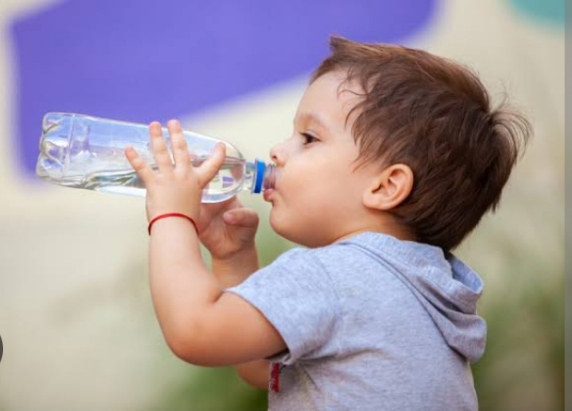
Dehydration in toddlers happen when they loose more water than they take in. It means, they do not have enough water and essential minerals in their bodies.
Water is essential for regulating body temperature, transporting nutrients, supporting digestion, and ensuring that every organ functions properly. When a toddler loses too much fluid, the body struggles to perform these vital functions.
Toddlers are designed to be active, curious, and full of energy. In between running around, playing outdoors, and occasional illnesses such as diarrhoea or vomiting, they can lose body fluids much faster than adults. Due to their small body size, even a relatively small amount of fluid loss can lead to dehydration.
Dehydration can be mild, moderate, severe and even life threatening. It is therefore important to recognize the signs of dehydration so as to prevent a severe case of dehydration.
Risk factors of toddler dehydration
Dehydration in toddlers can be cause many factors.
- Loss of body fluids through vomiting
- Loss of body fluids through diarrhea
- Excessive sweating during hot weather
- Poor feeding during illness
- Certain medical conditions that increase fluid loss such as diabetes
Signs of dehydration in toddlers
- More than six hours interval without pee
- Darker and more smelly pee
- Dry and patched lips
- No or fewer tear drops while crying
- Decreased bowel movement ( except in the case of diarrhea)
- Sunken eyes
- Wrinkled skin
- Headache
- Rapid heartbeat
- Dizziness and fatigue
- Cool hands and feet
- Loss of interest in playing or eating
- Thirst
Prevention of dehydration in toddlers
Prevention is better and less expensive than treatment. To prevent dehydration in toddlers simply offer little sips of water regularly throughout the day, give extra during hot weather and encourage frequent sips of fluid when the child is ill.
Continuing breastfeeding or formula feeding for younger toddlers. Including fruits and vegetables with high water content, such as watermelon, oranges and cucumber. Avoid sugary drinks and caffeinated beverages because they are not suitable for young children.
In cases of mild dehydration, offer small, frequent sips of water. If diarrhoea or vomiting is present, use an Oral Rehydration Solution (ORS) as recommended by a healthcare professional. Avoid giving energy drinks, or undiluted fruit juices as these can worsen diarrhoea and do not replace lost electrolytes effectively.
Continue feeding your child if they are willing to eat and breastfed children should continue breastfeeding frequently.
Severe dehydration is a medical emergency and should never be treated at home alone. It can lead to electrolyte imbalance, seizures, kidney problems, shock, and can become life-threatening.
Staying hydrated is one of the simplest yet most important ways to protect your toddler’s health. Offer fluids before your toddler asks for them because they may not recognize or communicate thirst early enough, so regular sips of water especially during play, hot weather, or illness can help prevent dehydration before it starts.